

Windex • Since 1964
The WindexStory
From a prototype built for a friend to an icon found on mastheads around the world.
More than 60 years of sailing, engineering and innovation — the history of the Windex wind indicator, a Swedish sailing invention.
SCROLL THROUGH THE STORY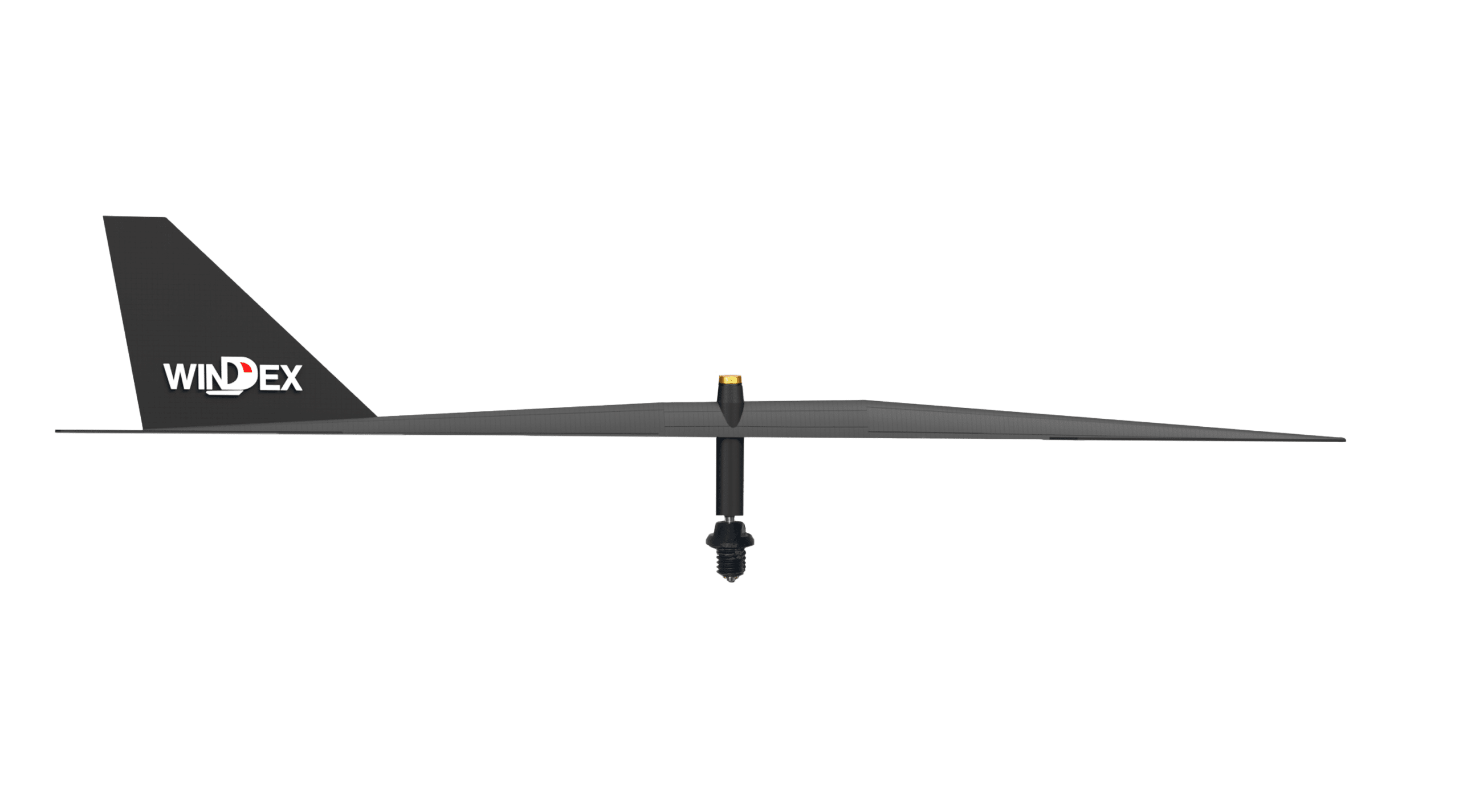
1962The first prototype
The first Windex prototype was built in 1962 — a gift to help improve one of the founders’ sailing abilities. Three friends had salvaged Britt-Marie, a 70-foot classic racing yacht, from the seabed and had become devoted sailors.
The prototype was tested in a wind tunnel at the Royal Institute of Technology in Stockholm.
Three friends.Three different strengths.One idea.

Sven-Olof Ridder
Designer / Aeronautical Engineer

Lars Bergström
Co-Designer / Marketing & Sailing

Harald Undén
Business / CEO
Engineering, sailing, marketing and international business — each founder brought something the others didn’t. Together, those strengths turned Windex from an experimental sailing aid into a global product.
1964Windex Development is born
Windex Development was founded to bring the Windex wind indicator to sailors. The original version of what became the best-selling Windex 15 was manufactured entirely from metal in Stockholm.
The founders promoted it in an unusually hands-on way: racing Britt-Marie, offering Windex units to other sailors — and sometimes climbing the mast themselves to install them.
1971Plastic, precision & the sapphire bearing
The Windex vane began to be manufactured in plastic — still carefully balanced, still suspended on its sapphire bearing.
Production moved from central Stockholm to a smaller town in Sweden.

1974Windex crosses the Atlantic
One of the owners moved to Florida and began selling Windex in the United States.
Windex kept growing in the American market and increasingly became an international standard for wind direction indicators in Europe and the rest of the world.
1976A younger sibling: Windex 10
Windex 10 was introduced — a smaller version designed for smaller sailboats, including dinghies and small keelboats.

1979The Windex 92
The founders’ engineering ambitions went far beyond wind indicators. The Windex 92, a highly innovative 30-foot cruising sailboat, was launched.
Among its pioneering features, the Windex 92 was the first series-produced sailboat to incorporate both a bathing platform and a rigid boom vang. The concepts were developed by the owners and had previously been tested on racing yachts.
1984Expansion in the United States
Davis Instruments was granted permission to manufacture and sell Windex in the United States.
Today, the licensing arrangement has come to an end, and the brand is marketed directly by Windex Development.
1997Windex XL
Windex XL was introduced — a larger version of the classic Windex, developed for larger sailing yachts.
2010The next generation
The next generation of the original founding families took over the business.
2019Windex meets VHF
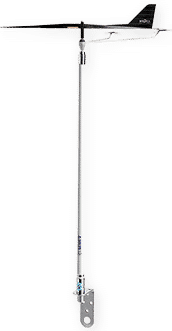
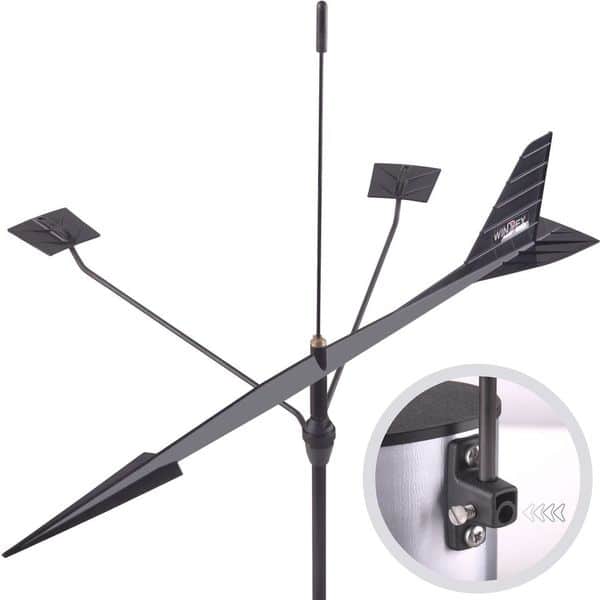
Windex Development collaborated with Scout to combine a Windex wind indicator with a VHF antenna.
An unaltered Windex sits at the top of the rigid fiberglass antenna.
2021Windex 6
Windex 6 was introduced — designed for dinghies with rotating masts, including boats such as the Laser and Optimist, and for use on the bowsprits of catamarans and skiff-type dinghies.

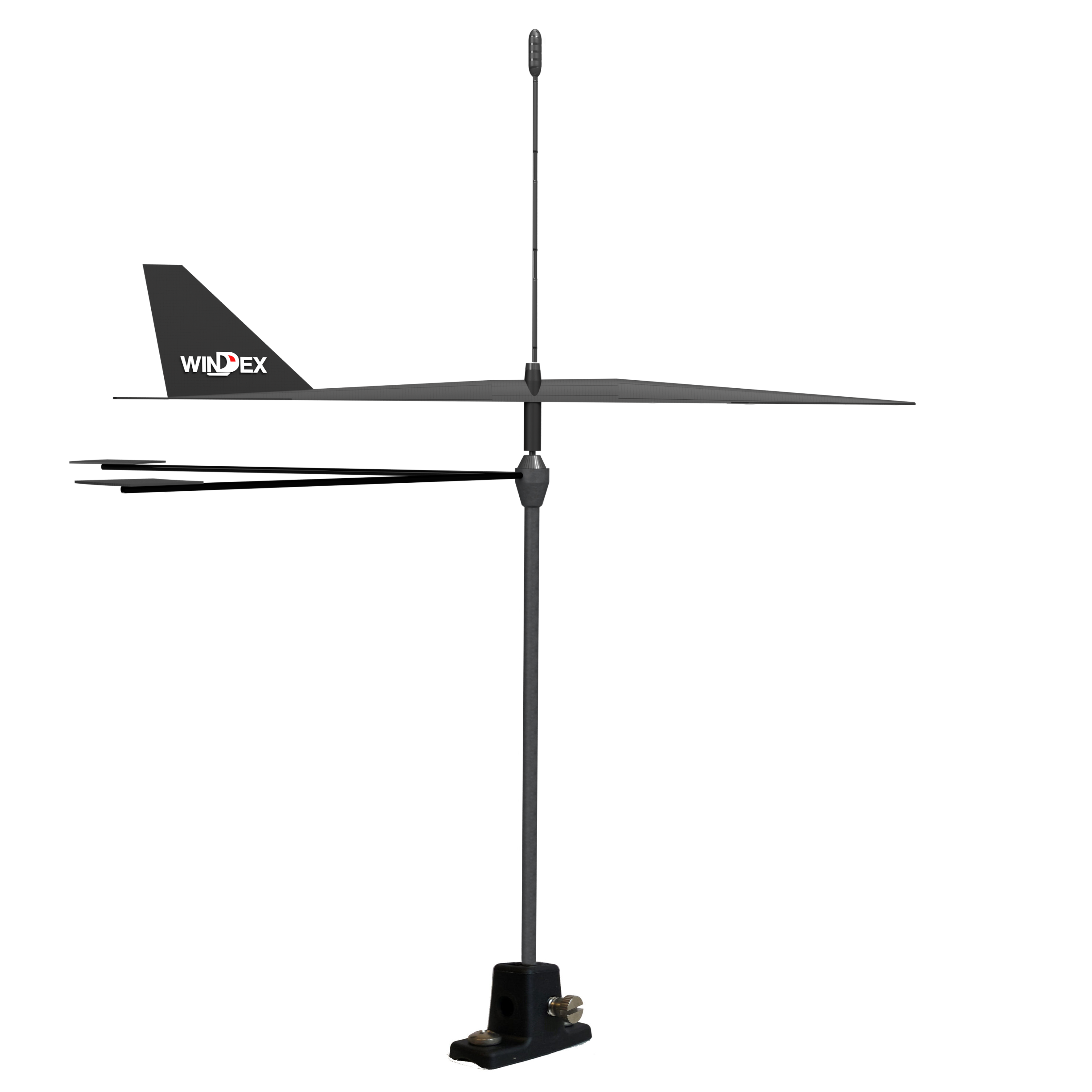
2025The Windex 15 Mk2
The next generation of the original bestseller arrives.
- Carbon fibre rod
- Integrated adjustable counterweight
- Carbon fibre BirdSpike
- Lower weight
- Increased durability
TodayStill on top
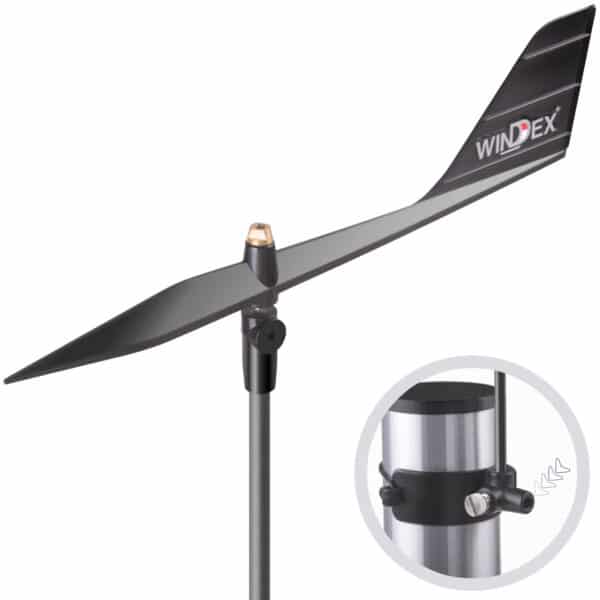
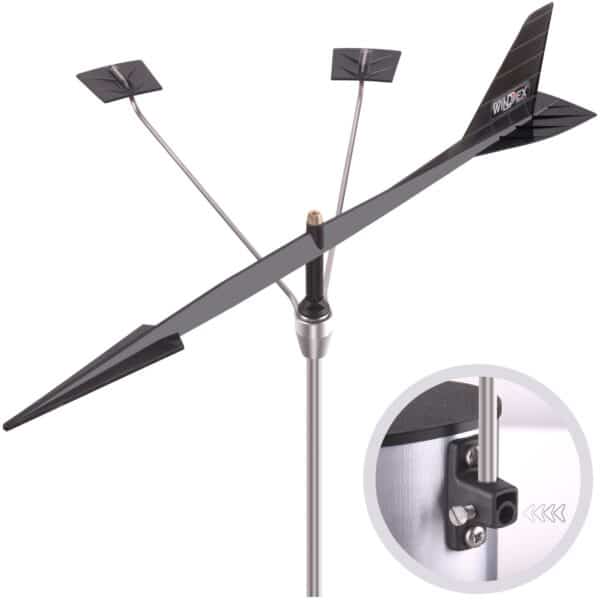
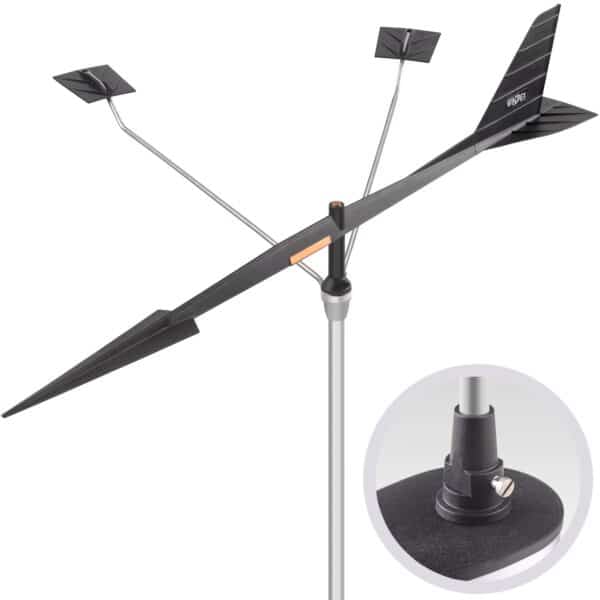
After more than 60 years, Windex Development offers a complete range of wind indicators for sailing boats of many different sizes.
The company remains owned by the founding families, and Windex products continue to be manufactured in Sweden.
Windex • 1964 — Today
Six decades later,we’re still lookingat the wind.
- Designed in Sweden.
- Made in Sweden.
- Used by sailors around the world.
